#Introduction: When More Became Meaningless
There was a time when luxury travel was measured in absolutes. Bigger villas. Longer yachts. Louder parties. Higher price tags. The assumption was simple: more meant better.
By 2026, that assumption has quietly collapsed.
Today’s most discerning travelers are not chasing excess. They are chasing resonance. They want trips that leave a mark, not just photos. They want stories they can tell themselves long after the tan fades. They want travel that feels personal, intimate, and emotionally coherent.
This shift has given rise to what many insiders now call deep luxury travel—a form of high-end travel defined not by opulence, but by meaning.
And nowhere is this evolution more visible than in destinations that were once misunderstood as purely indulgent playgrounds: Mykonos and Ibiza.
#What Deep Luxury Actually Means
Deep luxury is often confused with minimalism or restraint. It is neither.
Deep luxury is intentional abundance. It is the difference between being impressed and being moved.
In practice, it means:
Fewer but richer experiences
Less performance, more presence
Less spectacle, more story
It values context over scale and emotion over display.
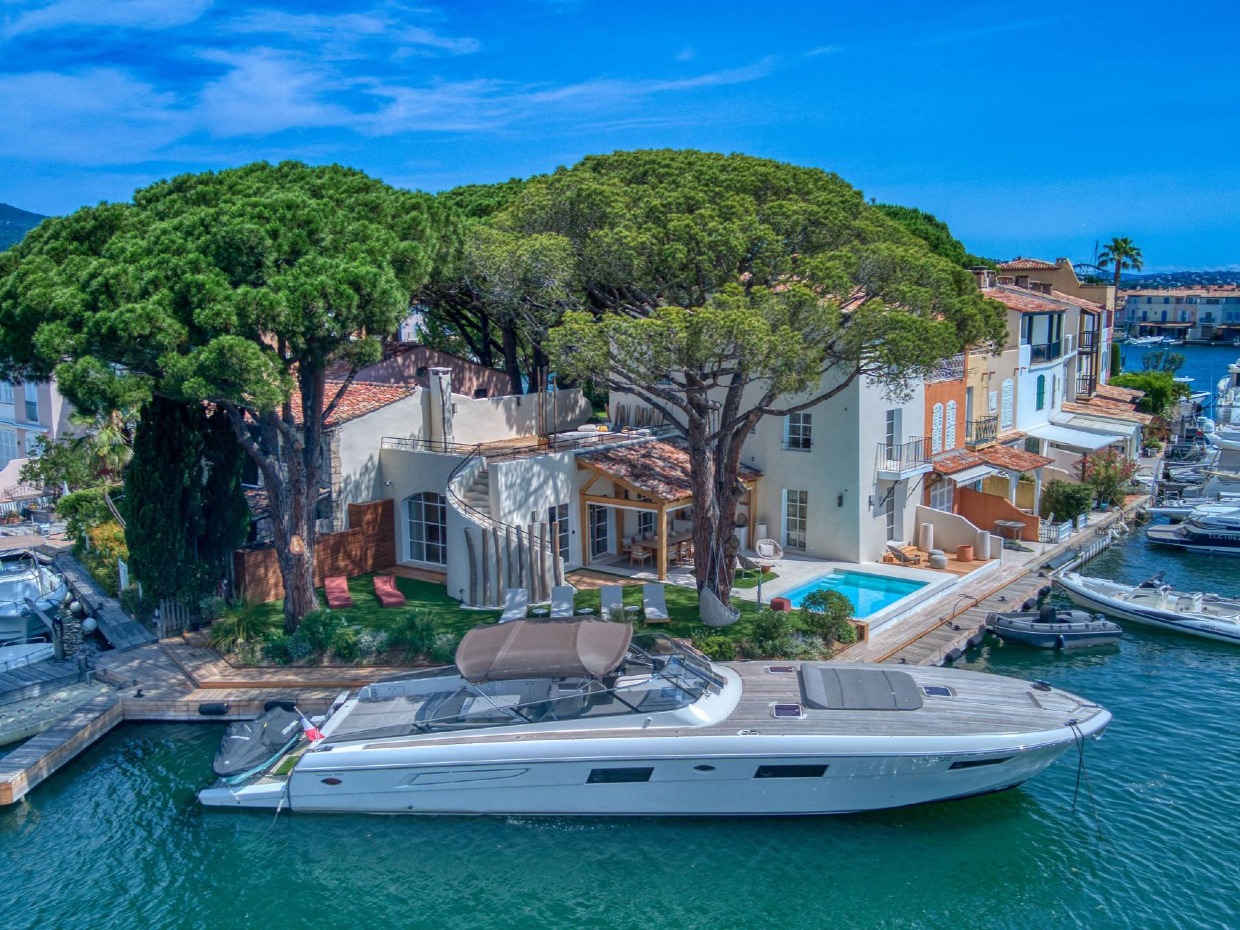
A private dinner is not luxurious because it is private. It is luxurious because it is designed around the people at the table—their pace, their preferences, their conversation. A yacht day is not special because of the vessel, but because of the silence between destinations, the spontaneous swim, the moment when time loosens its grip.
This is luxury that cannot be standardized.
#Why Excess Lost Its Power
Excess didn’t disappear because people stopped enjoying pleasure. It disappeared because it stopped delivering meaning.
In a hyper-documented world, where every experience can be shared instantly, visible luxury lost its mystique. When everyone can see it, it no longer feels exclusive. When everyone can replicate it, it no longer feels special.
High-net-worth travelers began to realize something uncomfortable: many expensive experiences felt interchangeable.
Deep luxury emerged as a response to this fatigue. It offered something quieter but far more powerful: emotional authorship. The feeling that a trip belonged to you, not to an algorithm or an itinerary template.
#Mykonos Rewritten: Beyond the Party Island
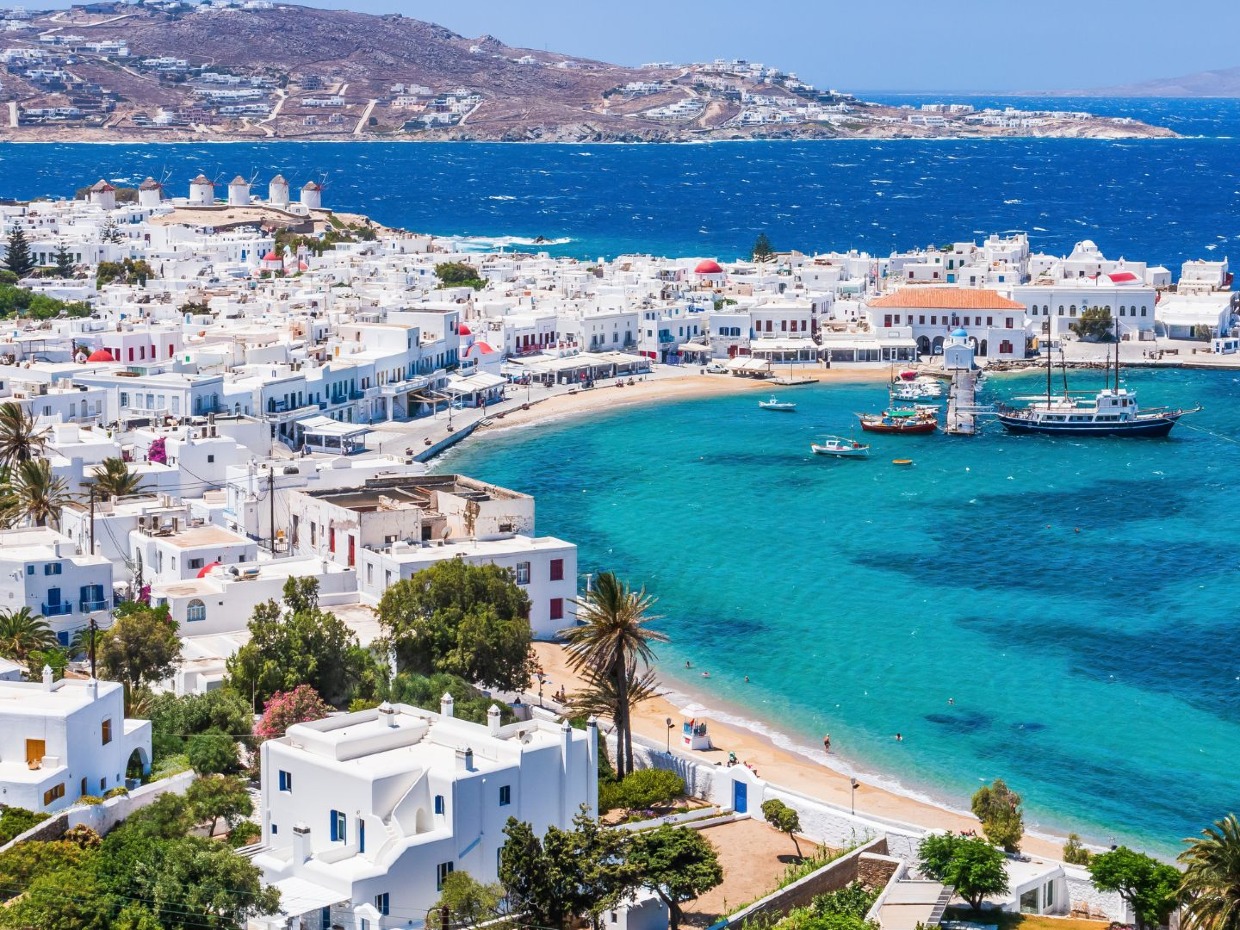
Few destinations illustrate this transformation better than Mykonos.
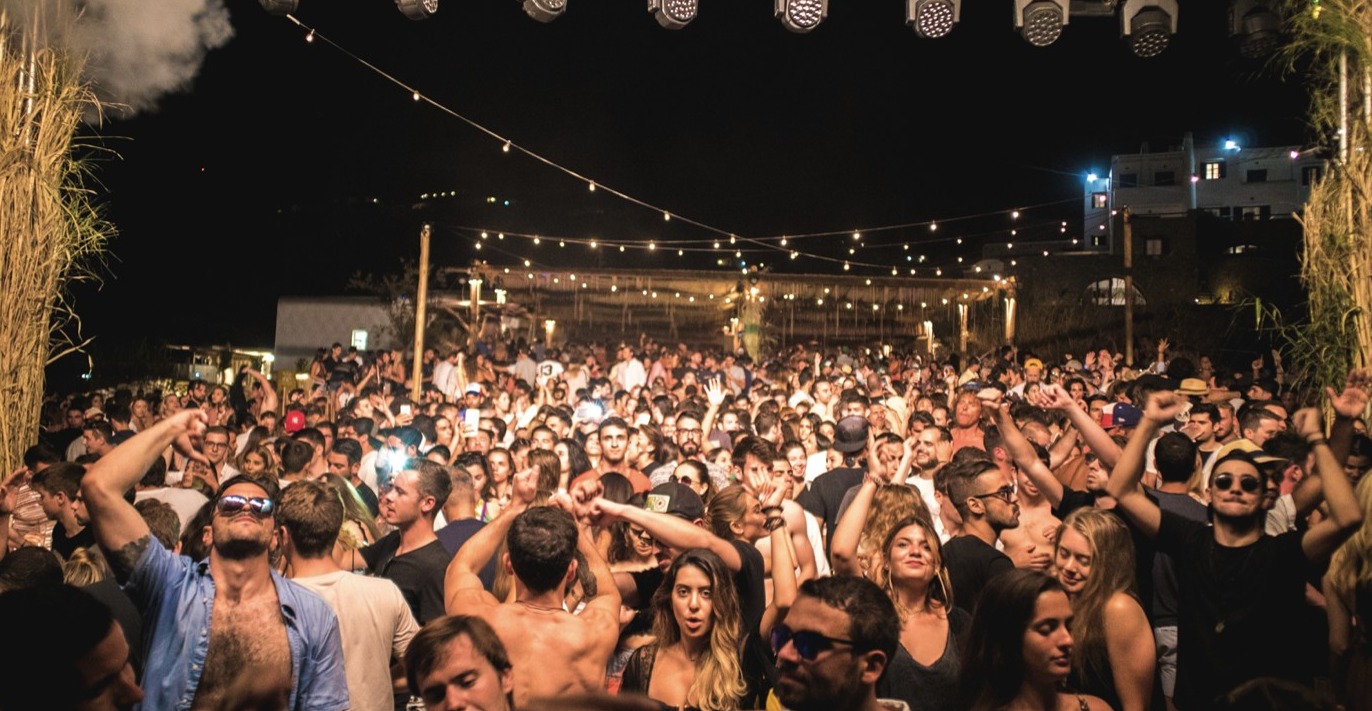
For years, Mykonos was marketed almost exclusively through its nightlife. While that energy still exists—and still has its place—it no longer defines the island for those who know it well.
Deep luxury in Mykonos lives elsewhere:
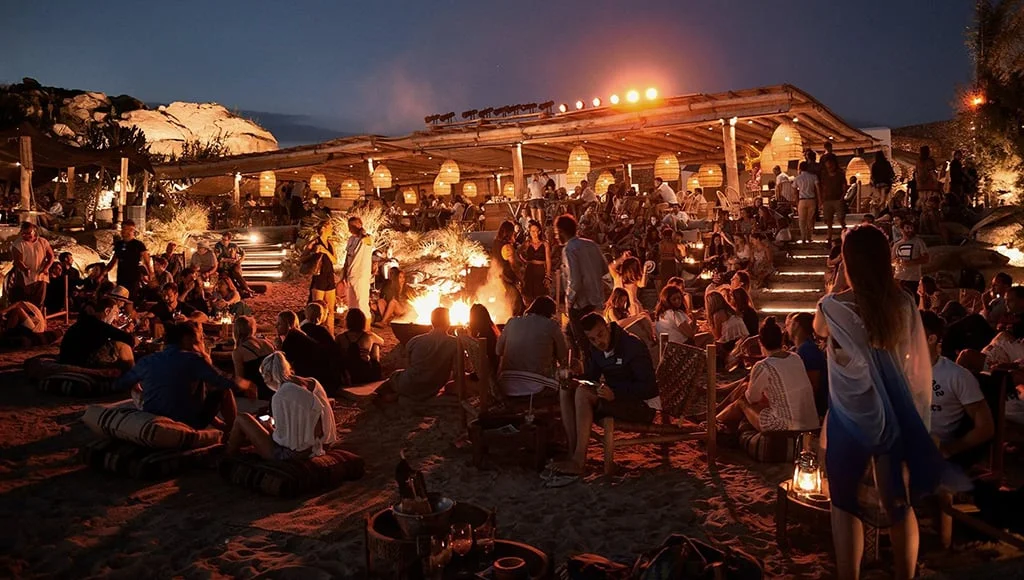
In early mornings before the beach clubs wake
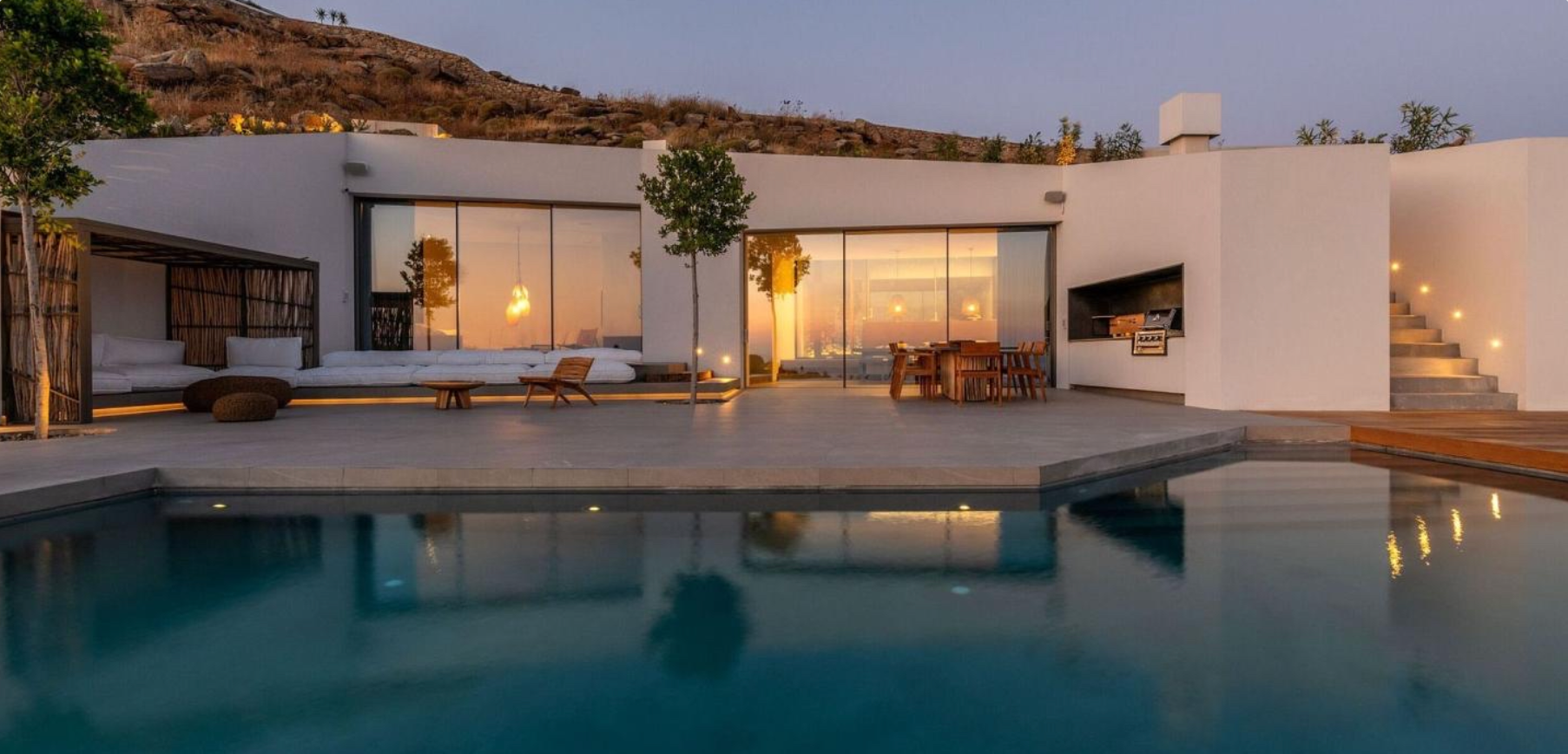
In villas designed for gathering, not showing
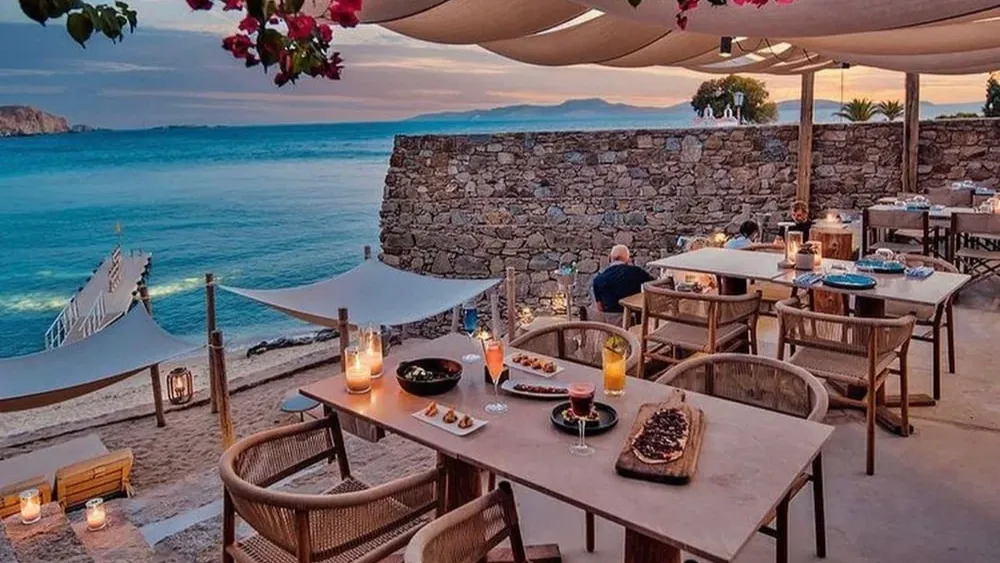
In long lunches that drift into evening
In private kitchens where cooking becomes a shared ritual
The island’s geography itself encourages emotional depth. Whitewashed architecture, wind-carved coastlines, and light that changes character by the hour create a setting that rewards slowness.
For the deep luxury traveler, Mykonos is not a destination to conquer. It is a place to inhabit.
#Ibiza’s Parallel Evolution
Ibiza’s journey mirrors Mykonos in striking ways.
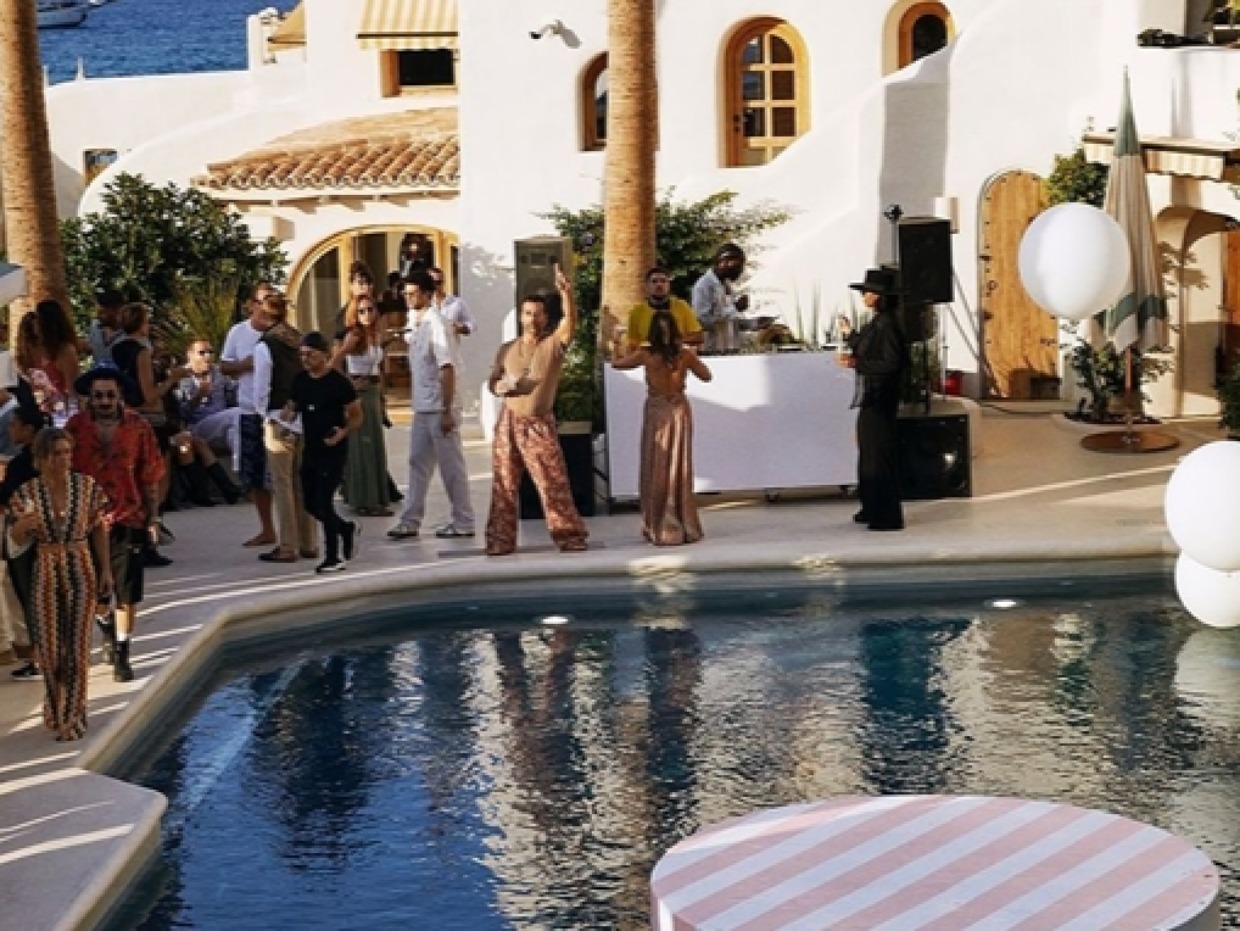
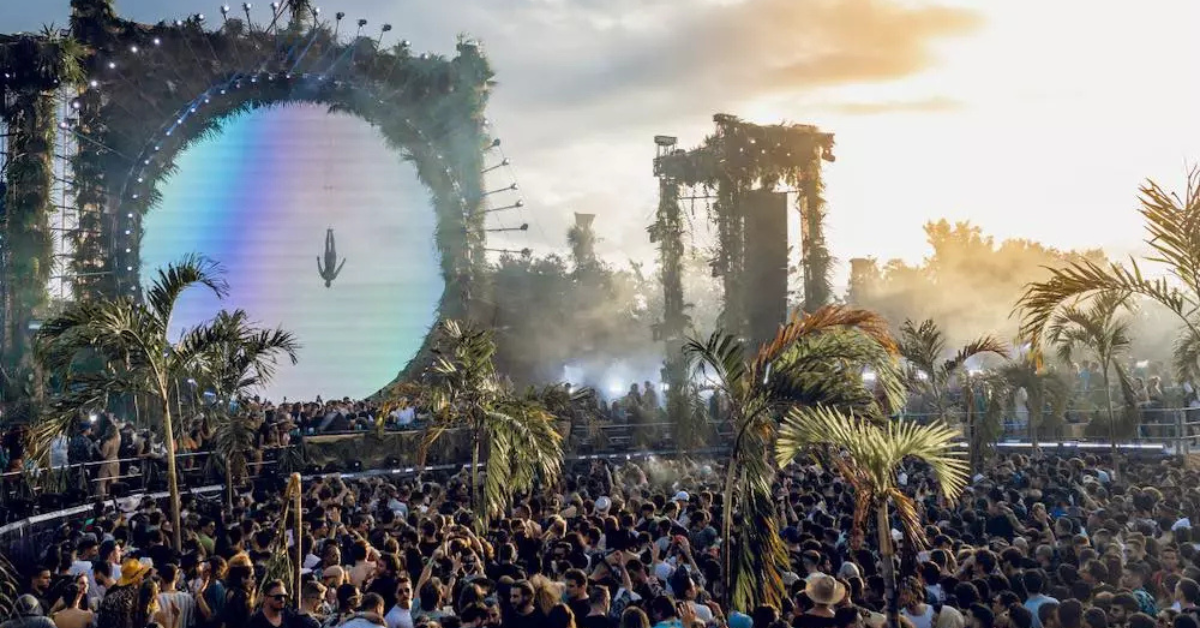
Once reduced to a single narrative—music, movement, excess—Iciza has quietly reclaimed its complexity. Inland fincas, hidden coves, sunset rituals, and community-driven experiences now sit alongside its legendary nightlife.
What defines deep luxury in Ibiza is contrast. Silence and sound. Solitude and connection. The ability to move fluidly between worlds without friction.
Travelers who return to Ibiza year after year do so not for repetition, but for rediscovery. The island reveals different layers depending on how you engage with it.
That, at its core, is emotional storytelling.
#The Rise of Travel as Narrative
Deep luxury travelers do not want itineraries. They want narratives.
A narrative has:
A beginning (arrival, anticipation)
A middle (immersion, connection)
An end (reflection, memory)
When travel is approached as narrative, every decision changes. Timing matters. Sequence matters. Atmosphere matters.
A cooking class becomes meaningful not because of the menu, but because of who is cooking together, what is being shared, and how the experience fits into the rhythm of the trip. A yacht day becomes a chapter, not an event.
This is where deep luxury differentiates itself from high spending.
#The Invisible Architecture of Meaning
What makes deep luxury difficult—and valuable—is that it cannot be mass-produced.
It requires:
Local knowledge
Emotional intelligence
Flexibility
Discretion
The best deep luxury experiences feel effortless precisely because of the invisible work behind them. When something flows naturally, it is rarely accidental.
This is why destinations like Mykonos and Ibiza reward on-the-ground expertise. Meaning cannot be imported. It must be built locally, in real time, with sensitivity to mood, context, and human dynamics.
#Why Deep Luxury Travels Further
The true test of a luxury experience is not how it feels in the moment, but how it lingers.
Deep luxury travels further because it anchors itself in memory. It becomes a reference point. A story retold. A standard against which future trips are measured.
Travelers may forget hotels. They rarely forget moments of connection, beauty, or shared joy.
In 2026, that is the new benchmark of luxury.
#Closing: The Future Is Felt, Not Shown
Deep luxury is not a rejection of indulgence. It is its evolution.
It asks better questions:
How did this make me feel?
Did this bring us closer?
Would I choose this again?
Mykonos and Ibiza, when experienced through this lens, are no longer destinations defined by reputation. They become places of emotional clarity, where luxury is not something you consume, but something you experience deeply.
That is the future of high-end travel—and it has already begun.