
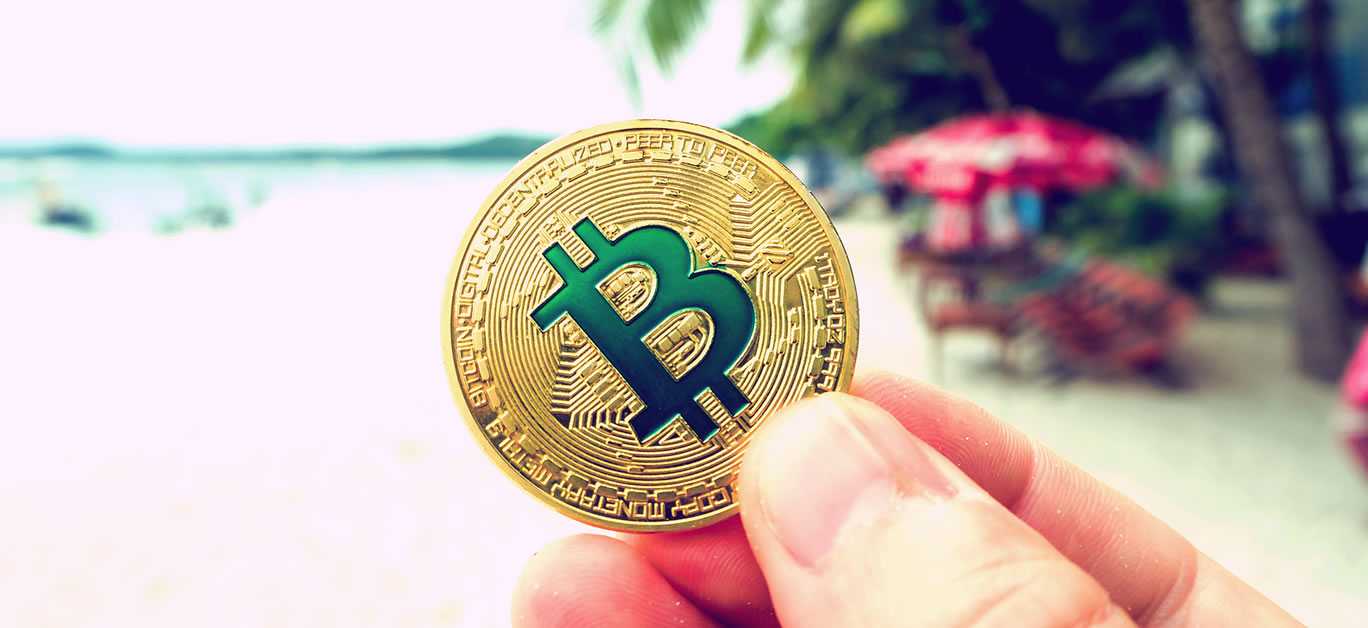
Not long ago, paying for a holiday with cryptocurrency was viewed as a novelty—something experimental, interesting, but impractical. Today, that perception is quietly shifting, especially at the top end of the travel market.
High-net-worth individuals increasingly hold a meaningful portion of their wealth in digital assets. For them, liquidity is not just about bank balances; it’s about flexibility. Being able to pay for a luxury experience directly in crypto removes friction, avoids unnecessary conversions, and aligns with how modern wealth is structured.
At the luxury level, convenience matters more than ideology. Crypto payments are not about making a statement; they are about speed, discretion, and optionality. When executed properly, they offer a seamless alternative to traditional banking rails, particularly for international travel where currency conversions, transfer delays, and compliance checks can slow things down.
From a service perspective, accepting crypto is less about technology and more about trust. It requires clear pricing, transparent settlement, and a professional framework that protects both sides. When done right, it becomes simply another tool—no different from a wire transfer or a private banking arrangement.
In luxury travel, the future rarely arrives with noise. It arrives quietly, as an added option for those who expect the system to adapt to them, not the other way around.









.jpg)