

For nearly three decades, the architecture of luxury travel has been built around acceleration. Faster aircraft, tighter itineraries, priority access, and an almost competitive approach to destination accumulation defined what it meant to travel well. The ability to move rapidly between geographies became a symbol of both financial capacity and social relevance.
That model is now quietly eroding.
Among ultra-high-net-worth individuals, a different behavioral pattern is emerging — one that places a premium not on movement but on duration. Instead of asking how many destinations can be experienced within a limited seasonal window, sophisticated travelers are beginning to ask a far more consequential question: where is it worth staying long enough to recalibrate both body and mind?
This is the intellectual foundation of slow travel, and it is rapidly becoming one of the most defining luxury travel shifts of the decade.
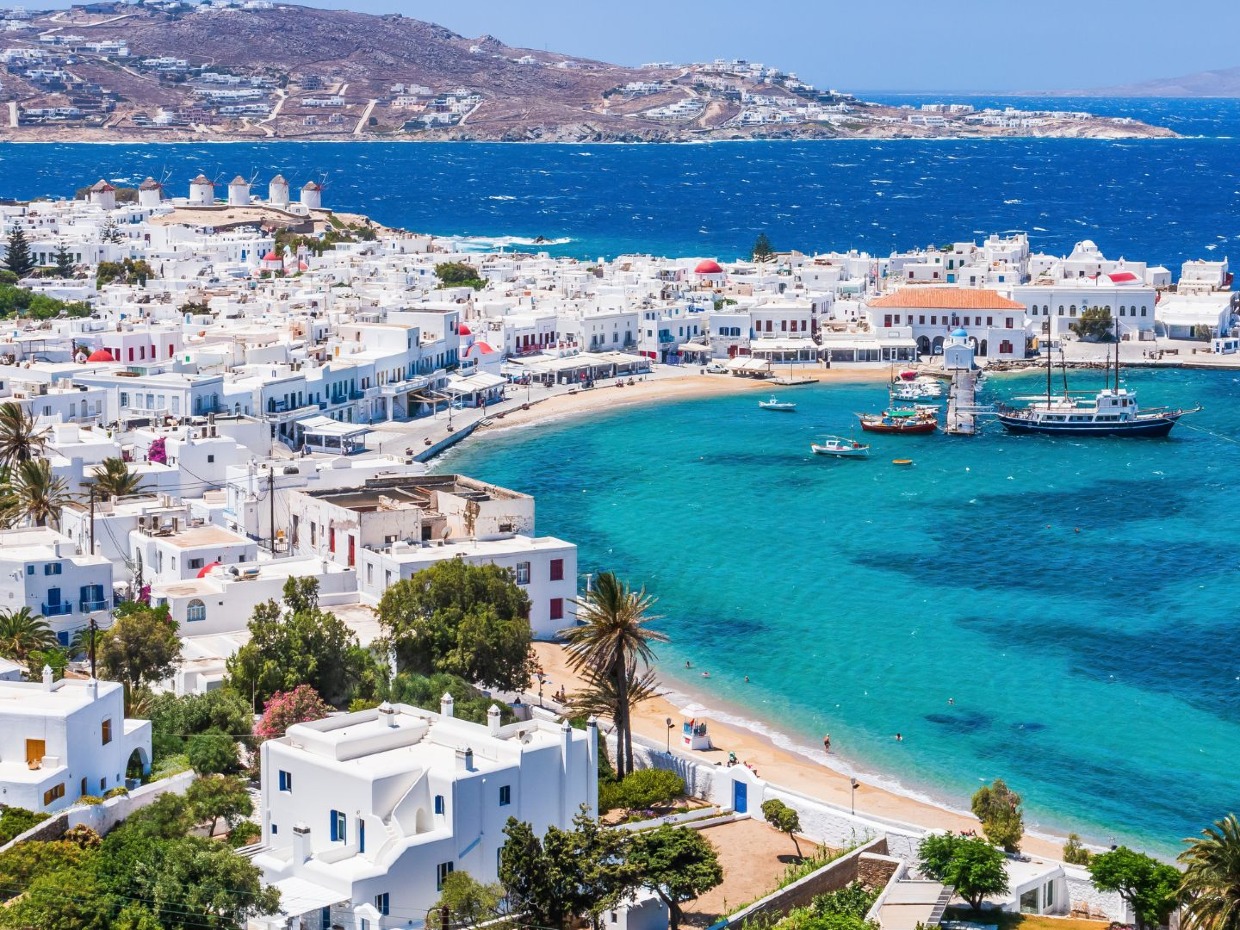
Mykonos, perhaps unexpectedly to the casual observer, has positioned itself as one of the Mediterranean’s most effective environments for this transition.
#The End of Compressed Luxury
The traditional ten-day Mediterranean circuit — typically combining the Amalfi Coast, Saint-Tropez, Ibiza, and the Greek islands — was never designed for restoration. It was designed for stimulation. While undeniably exhilarating, this style of travel often mirrors the same intensity that high performers are attempting to escape.
Private aviation data, concierge booking patterns, and villa occupancy reports increasingly reveal that UHNW travelers are lengthening their stays significantly. Two-week bookings are becoming standard. Three-week stays are no longer unusual. Month-long seasonal residences are rising sharply, particularly among founders, investors, and globally mobile families.
The reasoning is neither sentimental nor indulgent. It is pragmatic.
Constant relocation carries cognitive cost. Packing, security logistics, staff coordination, and decision fatigue accumulate quickly. By contrast, remaining in a single destination creates operational efficiency while dramatically improving experiential quality.
Luxury, in its most evolved form, is beginning to favor depth over breadth.
#Why Mykonos Performs Exceptionally Well for Extended Stays
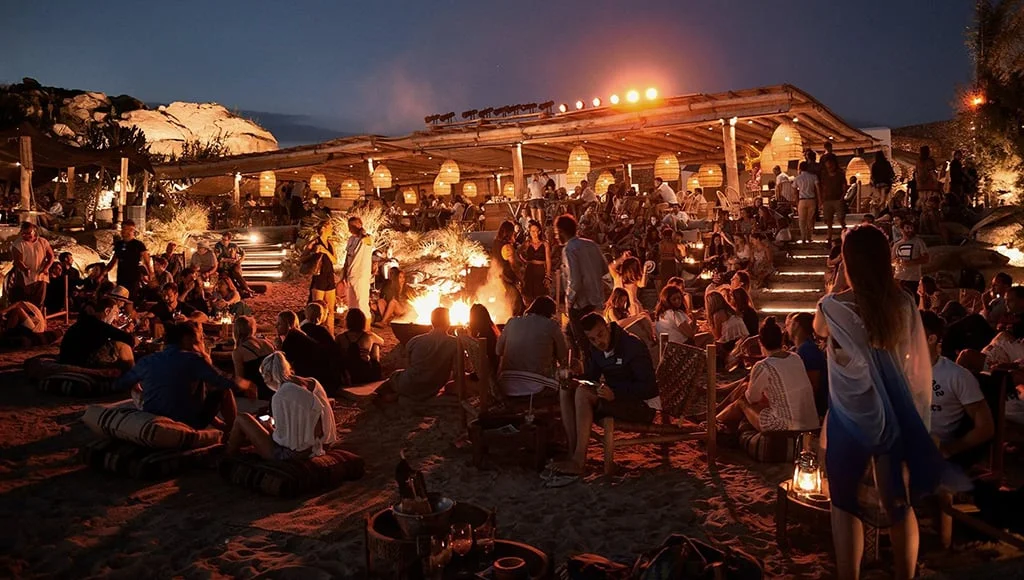
At first glance, Mykonos appears optimized for short, high-energy visits. Its reputation is tied to beach clubs, globally recognized restaurants, and an unmistakable social pulse. However, this perception captures only one dimension of the island.
What experienced travelers discover — typically after their first extended stay — is that Mykonos functions on two entirely separate operating frequencies.
There is the visible island, defined by movement and social theater.
Then there is the residential island, which reveals itself only to those who remain long enough to experience it.
Geographically compact yet socially layered, Mykonos allows residents to modulate their exposure to energy with remarkable precision. One can participate fully in the island’s cultural rhythm while maintaining complete environmental control inside a private residence.
Few Mediterranean destinations achieve this balance without compromise.
#The Psychological Advantage of Staying Longer
One of the least discussed yet most significant benefits of extended travel is neurological regulation.
Short luxury trips often fail to deliver true recovery because the nervous system remains elevated for much of the stay. The first several days are typically spent decompressing from professional intensity, while the final days are overshadowed by logistical preparation for departure.
Extended stays eliminate this compression entirely.
By the second week, physiological patterns begin to shift. Sleep deepens. Decision fatigue declines. Attention span lengthens. Many guests report a return of mental clarity that is difficult to access within the structure of ordinary urban life.
This is not incidental. High performers increasingly treat these stays as strategic resets rather than discretionary holidays.
In this context, slow travel becomes less about leisure and more about sustainability.
#The Private Villa as Operational Headquarters
Hotels excel at servicing transient guests. Extended living requires a different spatial logic.
A private villa does more than provide accommodation; it establishes psychological territory. The absence of shared corridors, unpredictable noise, and institutional rhythms allows guests to experience something increasingly rare in modern luxury environments: autonomy.
Within this framework, daily life becomes highly customizable. Morning routines unfold without interruption. Meals follow personal timing rather than kitchen schedules. Social interactions occur by invitation rather than proximity.
Over time, the residence begins to feel less like a rental and more like a temporary home — a subtle but powerful distinction that reshapes the entire travel experience.
#Concierge as Lifestyle Infrastructure
At the highest tier of service, concierge is no longer transactional. It is infrastructural.
When supporting extended stays, the concierge function evolves into something closer to private lifestyle management. Instead of reacting to isolated requests, the team constructs a living ecosystem around the guest.
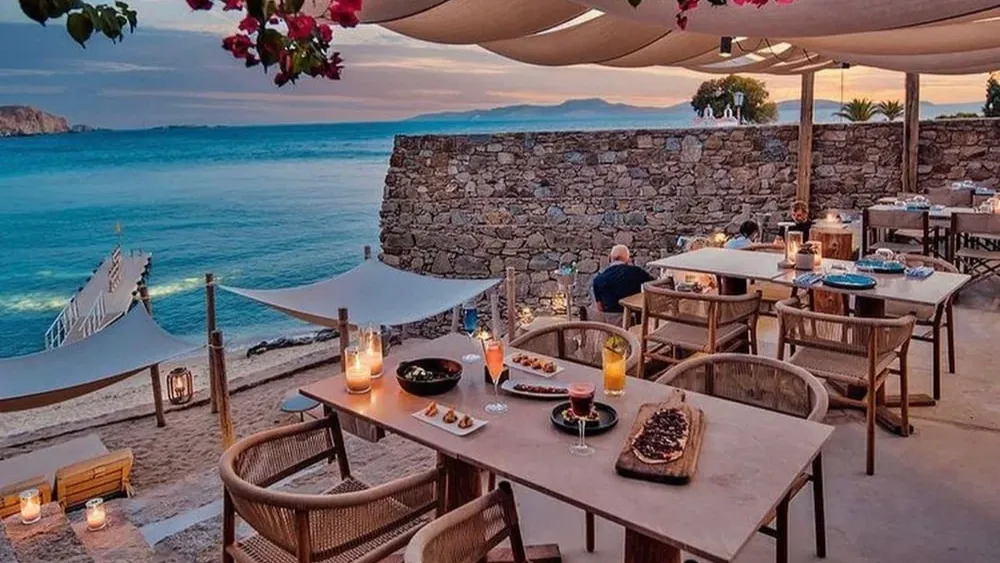
Dining becomes rhythmic rather than opportunistic. Evenings are curated according to emotional appetite rather than availability. Transportation ceases to be logistical and becomes seamlessly embedded into daily flow.
Consider the difference between attempting to secure a table at a sought-after restaurant during a three-day visit versus gradually discovering personal favorites over several weeks. The latter produces not only better experiences but also a sense of belonging.
This distinction is precisely what sophisticated travelers are seeking.
#Hosting Rather Than Attending
Another notable shift within extended luxury travel is the move toward residential entertaining.
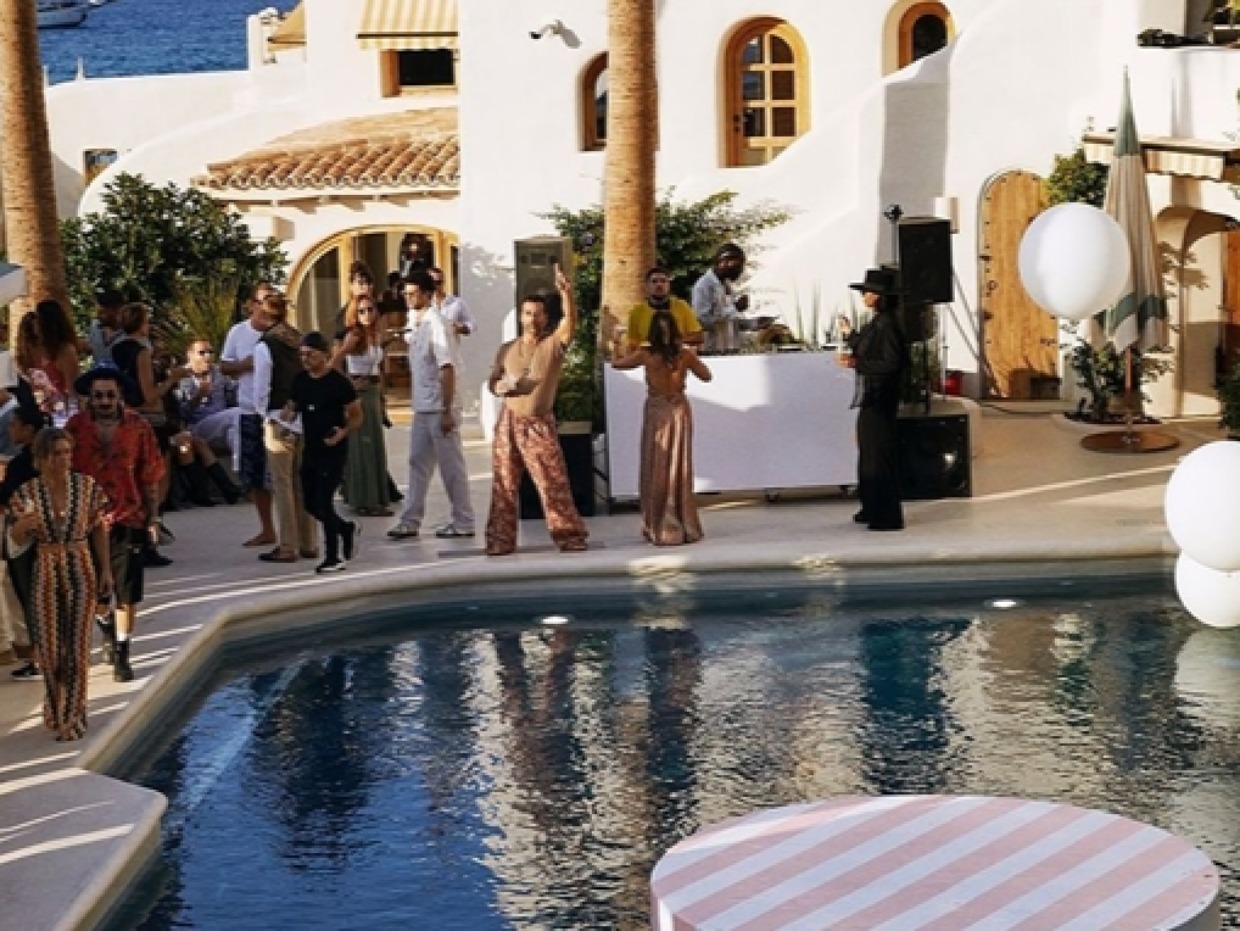
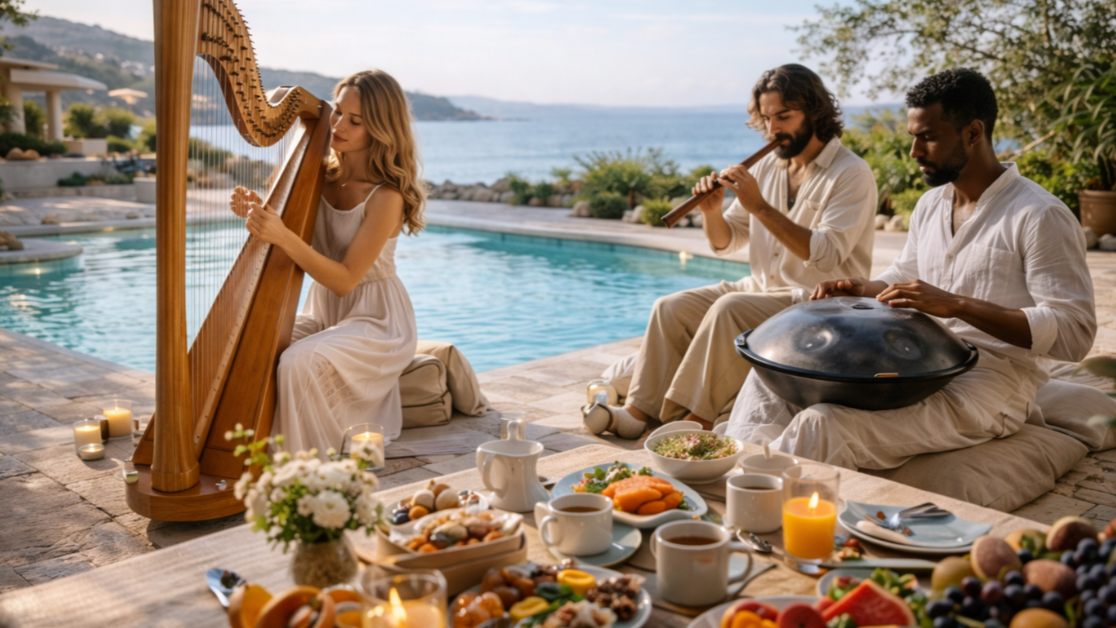
Rather than navigating crowded venues, many guests now prefer to bring culture directly into their private environment. Villas increasingly function as discreet salons where music, conversation, and culinary experiences unfold without external pressure.
Sound healing practitioners, harpists, low-tempo DJs, visiting chefs, and spiritual guides can be integrated into the residential setting with remarkable elegance. The result is not isolation but controlled intimacy — a social atmosphere designed rather than encountered.
This model reflects a broader evolution in luxury behavior: the preference for environments that prioritize emotional comfort over public visibility.
#Living on the Island Versus Visiting It
The difference between visiting Mykonos and living there, even temporarily, becomes unmistakable after approximately ten days.
Habits form naturally. Preferred morning cafés begin preparing orders without instruction. Beach selections become intuitive rather than researched. Service relationships deepen.
Familiarity replaces novelty, and with it comes a subtle but meaningful sense of integration.
This is the emotional threshold where slow travel begins to deliver its most significant value. The destination transitions from backdrop to lived environment.
#Ibiza as a Complementary Model
While Ibiza shares many characteristics with Mykonos, the experiential tone differs slightly. Ibiza often attracts travelers seeking introspection, wellness immersion, and creative retreat, whereas Mykonos maintains a stronger social dimension.
For many globally mobile clients, the optimal strategy is sequential rather than comparative: early summer in Ibiza, followed by late summer in Mykonos. Both destinations reward duration, but Mykonos offers a particularly compelling blend of vibrancy and discretion.
#Economic Intelligence Behind Longer Stays
Extended travel is frequently misunderstood as purely indulgent. In reality, it often represents a more rational allocation of resources.
Repeated short trips require constant mobilization — aviation, security, staffing, wardrobe logistics, and itinerary design. Consolidating time within a single destination reduces operational friction while increasing experiential yield.
From a purely economic perspective, depth delivers a stronger return than repetition.
#Who Is Driving This Movement?
The demographic patterns are increasingly clear. Extended stays are being adopted by:
Founders transitioning between liquidity events
Investors managing location-independent portfolios
Families designing seasonal lifestyles
Executives recovering from sustained performance cycles
Creatives seeking uninterrupted cognitive space
What unites these profiles is intentionality. These travelers are not reacting to opportunity; they are architecting their lives deliberately.
#Privacy as the Defining Luxury Metric
If the early 2000s celebrated visibility, the current era rewards discretion. Extended villa living dramatically reduces exposure while preserving access.
Guests no longer need to compete for reservations or navigate unpredictable environments. Experiences arrive quietly, precisely when desired.
Privacy has become the new status signal.
#Testing Alternative Ways of Living
Perhaps the most profound impact of slow travel is perspective. Spending several weeks in a different environment invites reflection on the structure of one’s primary life.
Many guests begin questioning whether their professional and geographic commitments require the density they have long accepted as inevitable. Some ultimately pursue seasonal residences. Others redesign their calendars to incorporate recurring extended stays.
What begins as a holiday often evolves into a strategic life adjustment.
#The Direction of Modern Luxury
The trajectory is unmistakable. Luxury travel is migrating away from spectacle and toward personalization, away from acceleration and toward presence.
Mykonos is not merely participating in this evolution; it is increasingly serving as one of its most effective platforms.
Once travelers experience the island through the lens of duration rather than urgency, returning to compressed travel becomes considerably less appealing.
#Conclusion
Slow travel is frequently mischaracterized as a romantic preference. In reality, it reflects a sophisticated understanding of time — the only asset that cannot be expanded regardless of wealth.
Remaining in one place long enough to recalibrate physically, intellectually, and emotionally is no longer a fringe behavior. It is rapidly becoming the preferred strategy among those who understand that true luxury is measured not by access alone, but by the freedom to inhabit one’s days without pressure.
Fourteen days begins the process.
A month transforms it entirely.
And in Mykonos, perhaps more than anywhere else in the Mediterranean, the distinction between visiting and living has never been more compelling.

.jpg)