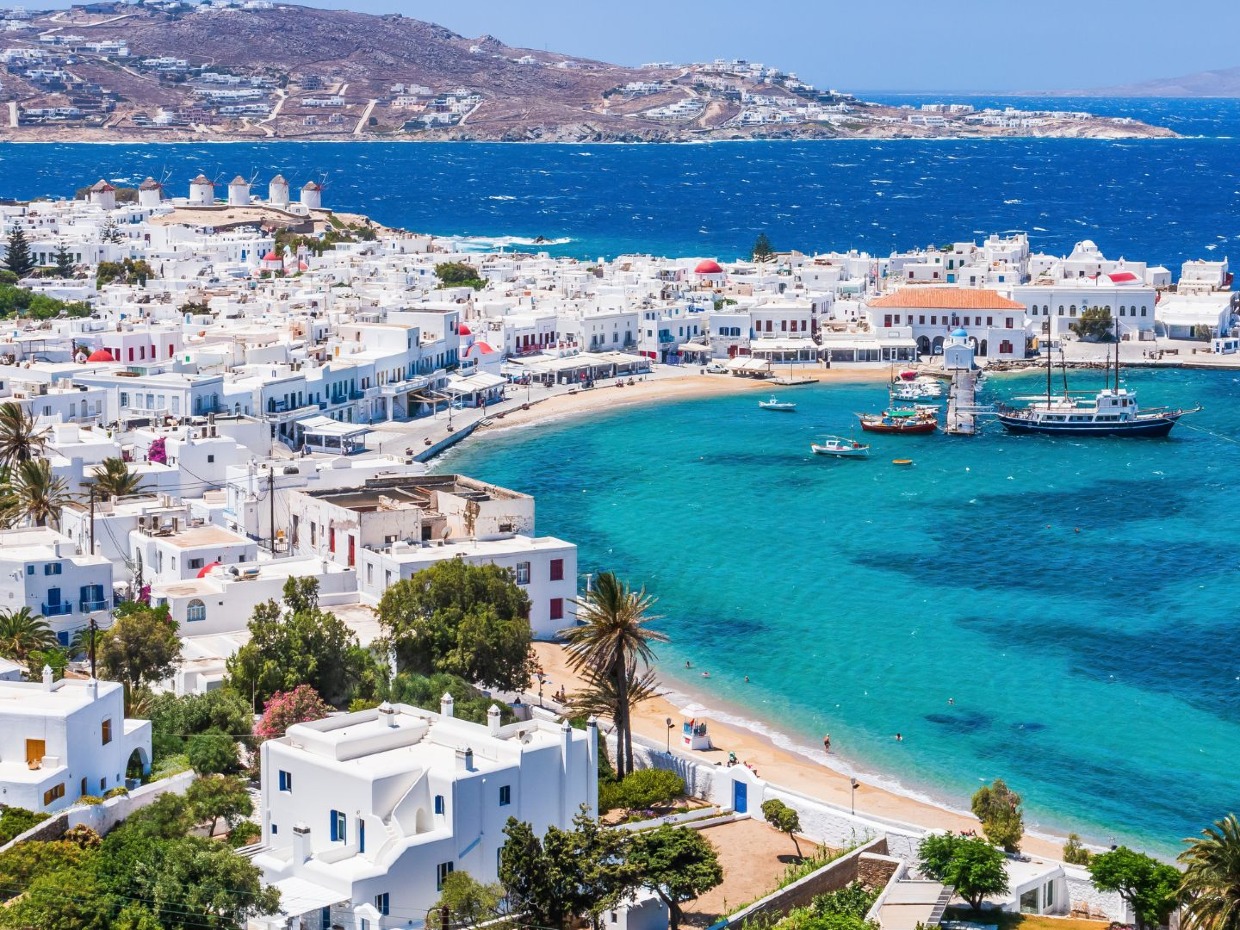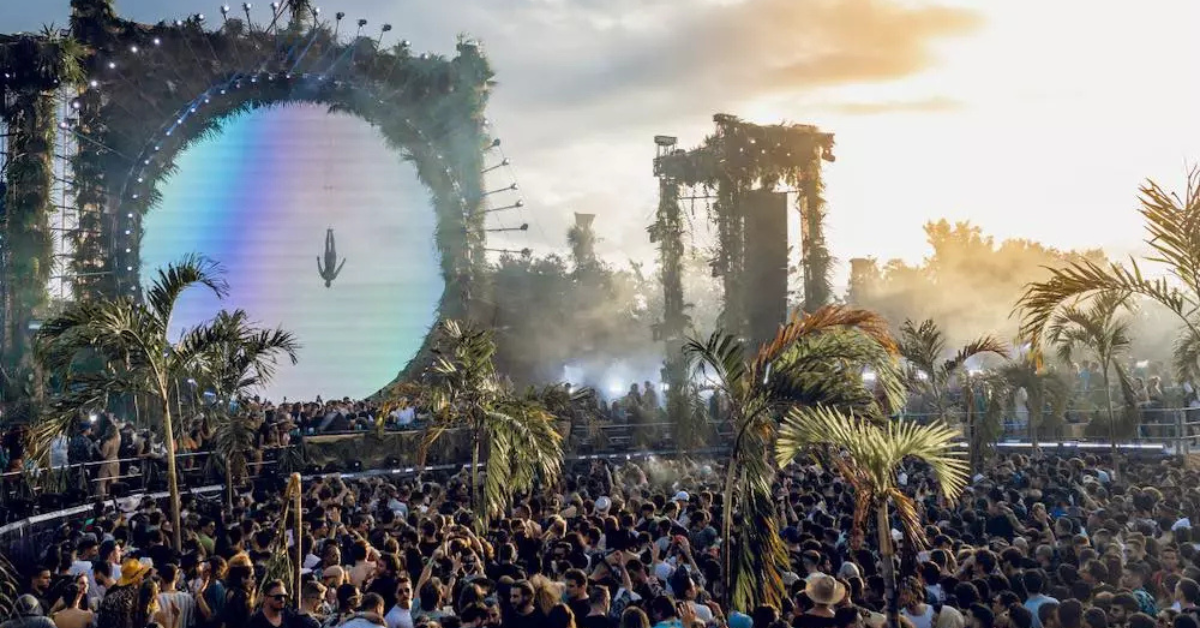
Luxury travel is undergoing one of the most significant structural transformations seen in the past two decades, and few destinations illustrate this shift more clearly than Mykonos. While the island has long maintained global recognition for its social energy, premium hospitality infrastructure, and elite summer clientele, what is emerging today is not simply a continuation of its legacy but a recalibration of how the world’s wealthiest individuals choose to spend their time.
Among ultra-high-net-worth travelers, defined broadly as individuals with investable assets exceeding $30 million, travel is no longer approached as consumption alone. It is increasingly viewed as a strategic allocation of time — a resource that, unlike capital, cannot be expanded.
This subtle but powerful mindset shift is reshaping booking behavior, accommodation preferences, service expectations, and length-of-stay patterns across the Mediterranean.
Cloud 9 Concierge has observed these behavioral changes firsthand through direct client servicing, villa placements, high-value itinerary design, and long-stay lifestyle management. What follows is not trend speculation but operational intelligence drawn from the front lines of elite travel.
#1. The Structural Shift From Hotels to Private Estates
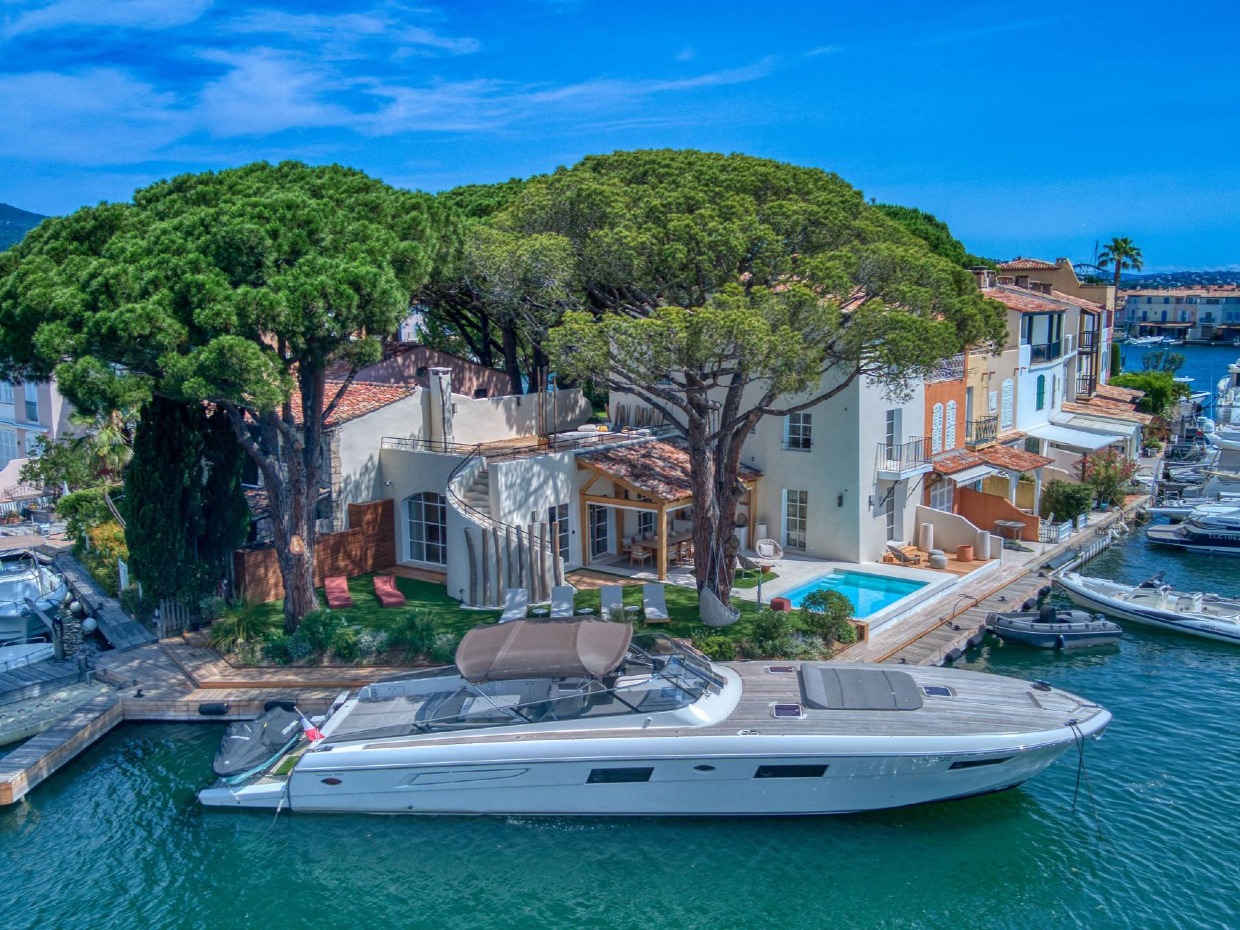
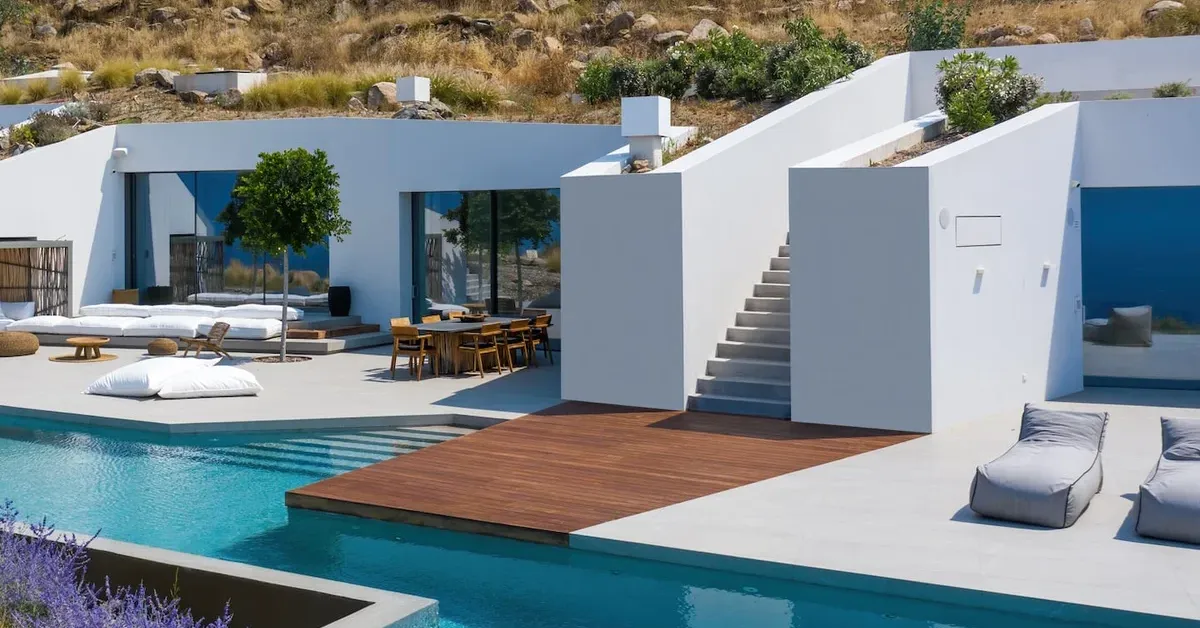
The migration from five-star hotels to fully serviced private villas is no longer an emerging pattern; it is the dominant accommodation preference among UHNW travelers visiting Mykonos.
This movement is driven by three primary factors:
#• Privacy as a Non-Negotiable Standard
High-profile individuals increasingly operate within environments where privacy breaches carry reputational, financial, and personal security implications. Traditional hotel settings, regardless of how luxurious, introduce variables that cannot be fully controlled: shared entrances, visible check-ins, public dining spaces, and the presence of other guests.
Private estates eliminate these friction points entirely.
#• Spatial Autonomy
Wealth creates a low tolerance for imposed structure. Villas allow guests to dictate their own rhythms without adapting to institutional schedules. Meals occur when desired, gatherings unfold without venue constraints, and service becomes fully personalized rather than standardized.
#• Psychological Ownership
Perhaps the most overlooked benefit of private estates is the immediate sense of territorial belonging they provide. Guests are not occupying a room; they are temporarily inhabiting a residence. This distinction materially alters how individuals decompress, entertain, and interact with their environment.
Market Observation:
Cloud 9 has recorded a consistent increase in requests for large-format villas capable of hosting extended families, security teams, personal chefs, trainers, childcare professionals, and rotating guest lists. Estates accommodating 10–20 guests are now frequently preferred over multiple hotel suites.
#2. The Rise of the Fully Serviced Villa Ecosystem
A property alone no longer defines luxury. Infrastructure does.
Ultra-wealthy travelers now expect a residential environment supported by a professional service architecture comparable to — and often exceeding — that of leading hotels.
The modern villa ecosystem typically integrates:
• Private chefs capable of adjusting menus daily based on guest preference
• Dedicated housekeeping teams operating invisibly
• Chauffeured transport fleets on standby
• Maritime coordination for yacht charters
• Security personnel when required
• Wellness practitioners ranging from physiotherapists to meditation guides
• Childcare specialists and private tutors
• Event designers for discreet in-villa gatherings
This operational layering transforms the villa into a fully functional lifestyle headquarters rather than a passive accommodation.
Authority Signal:
Cloud 9 has increasingly positioned itself not as a booking intermediary but as a lifestyle infrastructure provider — designing operational environments around each client rather than simply fulfilling isolated requests.
This distinction is becoming a decisive factor in client retention.
#3. Longer Stays Are Replacing Compressed Itineraries
One of the most important behavioral changes among top-tier travelers is the rejection of high-velocity, multi-destination summer schedules.
Historically, affluent travelers attempted to maximize geographic exposure within limited timeframes, often combining multiple Mediterranean destinations within a two-week window.
Today, the opposite pattern is gaining traction.
Extended stays — typically ranging from two weeks to two months — are becoming the preferred format.
The reasoning is practical rather than romantic.
Frequent relocation produces cumulative decision fatigue through repeated packing, aviation logistics, staff coordination, security arrangements, and itinerary resets. Remaining in a single destination reduces cognitive load while materially improving experiential depth.
#Measurable Benefits Observed Among Long-Stay Guests:
• Improved sleep patterns after the first week
• Reduced reliance on rigid scheduling
• Greater openness to spontaneous experiences
• Higher overall satisfaction with the trip
• Increased likelihood of repeat bookings
Mykonos performs exceptionally well in this model because of its geographic efficiency. Within a compact radius, guests can alternate between high-energy social venues and deeply private environments without sacrificing convenience.
#4. Discretion Has Overtaken Visibility as the Primary Status Signal
The early 2000s celebrated conspicuous consumption. Visibility itself functioned as social currency.
The current luxury landscape tells a different story.
For many UHNW individuals — particularly founders, investors, and next-generation wealth — discretion now carries greater prestige than exposure.
Clients increasingly request:
• Off-market villas not publicly searchable
• Private beach setups away from main traffic
• After-hours retail access
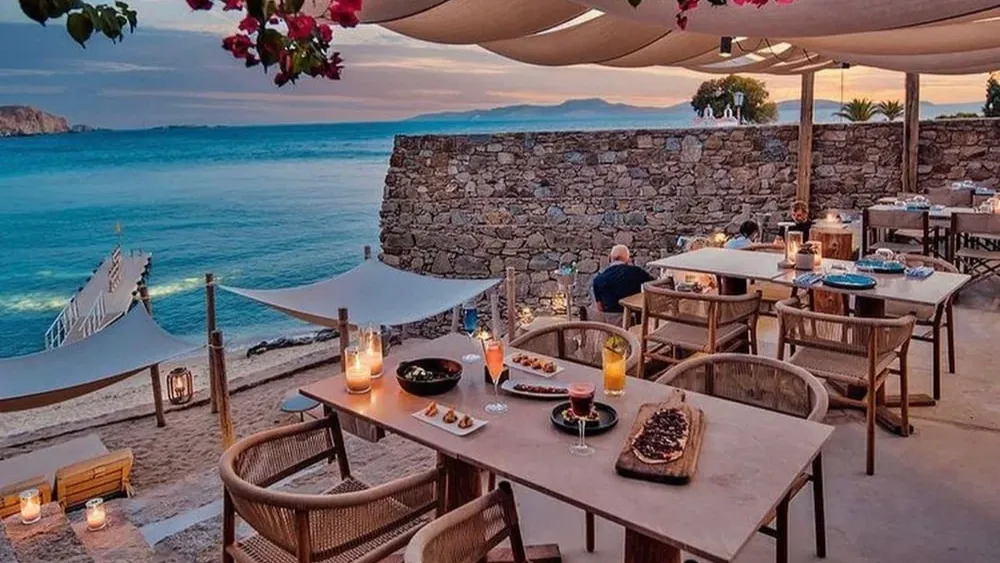
• Restaurant buyouts or shielded seating
• Unpublicized yacht itineraries
• Controlled event environments
The objective is not isolation but selective permeability — maintaining access to the island’s cultural energy while controlling when and how that energy is encountered.
Cloud 9 has responded by deepening relationships with property owners, venue operators, and hospitality leadership, allowing clients to experience Mykonos from behind what might be described as a “soft curtain.”
#5. Concierge Is Evolving Into Lifestyle Governance
The word “concierge” increasingly fails to capture the scope of what elite travelers require.
Transactional service — securing reservations or arranging transport — is now considered baseline competence.
What clients value is orchestration.
At the highest level, concierge becomes a form of temporary lifestyle governance in which every moving component of the guest’s stay is coordinated into a frictionless continuum.
Examples include:
• Structuring weekly social calendars aligned with client energy levels
• Managing rotating guest arrivals via private aviation
• Synchronizing yacht days with weather intelligence
• Designing wellness rhythms to counterbalance late-night activity
• Curating dining sequences that prevent experiential fatigue
When executed correctly, guests cease to experience logistics altogether.
They experience only flow.
This is the service tier in which Cloud 9 has deliberately chosen to operate.
#6. Wellness Is Being Integrated — Not Scheduled
Wellness in luxury travel has matured beyond performative spa visits.
High-performing individuals increasingly approach health as a continuous discipline rather than an occasional indulgence.
As a result, requests have shifted toward embedded wellness:
• In-villa training sessions
• Breathwork and recovery treatments
• Nutrition-forward menu planning
• Sleep optimization environments
• Cold exposure therapy
• Yoga and mobility coaching
Importantly, these elements are being integrated quietly into the guest’s daily rhythm rather than announced as programmatic activities.
The objective is optimization without disruption.
#7. The New Social Model: Hosting Over Attending
Another notable behavioral shift is the growing preference for private hosting rather than public attendance.
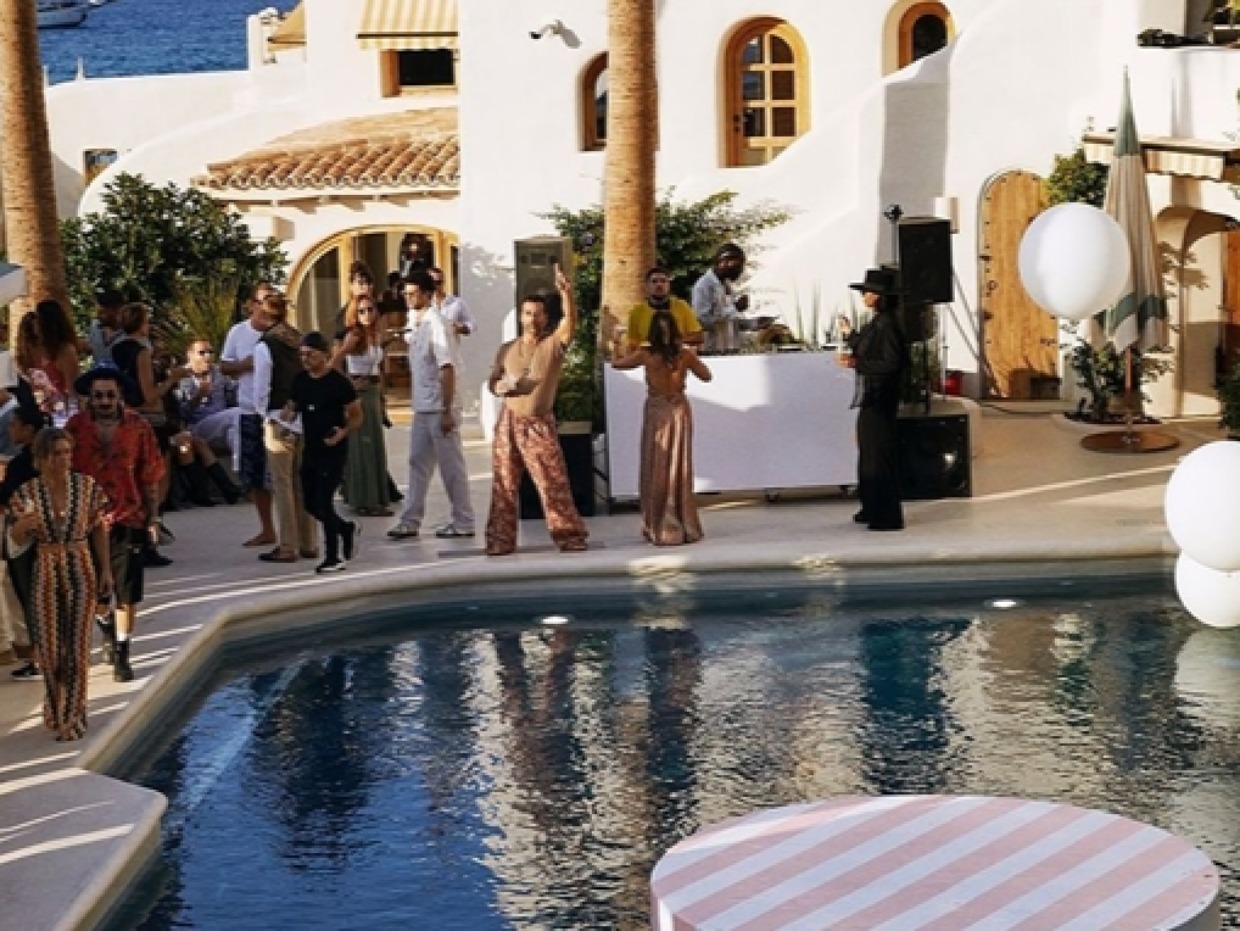
Instead of navigating crowded venues multiple nights per week, many UHNW guests now curate their own environments.
Common formats include:
• Chef-led tasting dinners
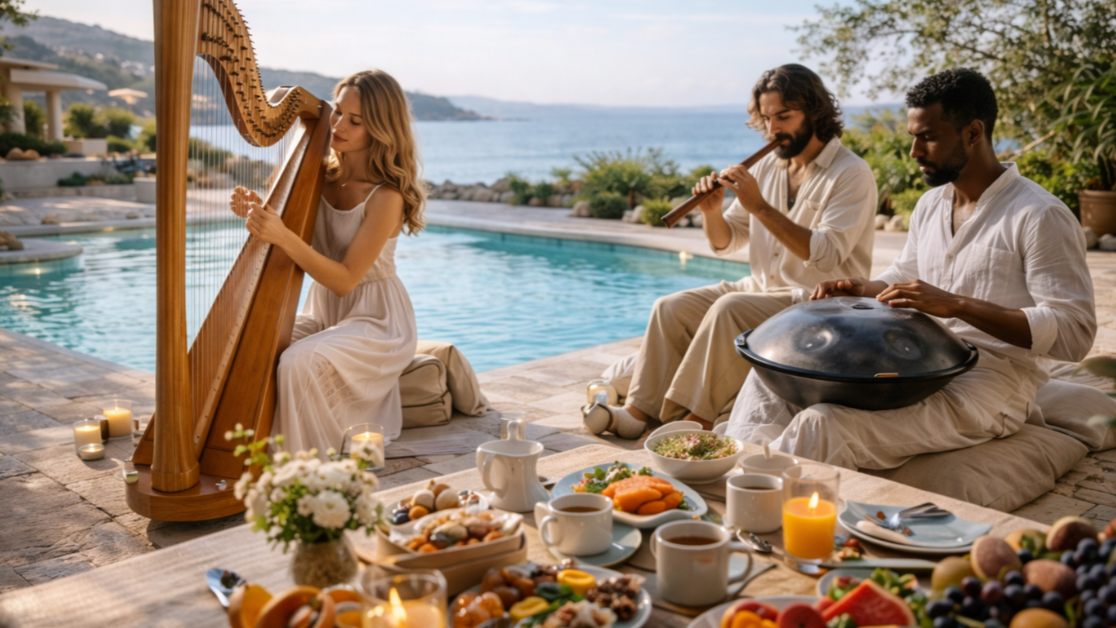
• Acoustic performances
• Low-tempo DJ evenings
• Intellectual salons
• Sunset cocktail gatherings
These events deliver social richness while preserving environmental control — a balance increasingly prized by seasoned travelers.
#8. Multi-Generational Travel Is Expanding Estate Demand
Family travel at the top tier has become structurally more complex.
It is no longer unusual for three generations to travel together, accompanied by professional staff.
This creates demand for properties capable of supporting layered privacy within a shared footprint.
Key estate features now prioritized:
• Multiple master-level suites
• Independent guest houses
• Child-friendly infrastructure
• Staff quarters
• Extensive outdoor living zones
• Maritime proximity
Mykonos’ growing inventory of architecturally sophisticated mega-estates positions the island well for this demand curve.
#9. Economic Intelligence Is Driving Travel Decisions
Contrary to popular belief, the ultra-wealthy are rarely careless allocators of capital.
Extended stays often represent greater economic efficiency than repeated short visits when aviation costs, staffing logistics, and itinerary resets are considered.
Depth delivers higher experiential return per mobilization.
This is one reason seasonal living — effectively treating destinations like Mykonos as temporary residences — continues to rise.
#10. Authority Matters More Than Ever in Destination Selection
As luxury travel becomes more complex, clients increasingly gravitate toward operators capable of providing not only access but intelligence.
They are not simply asking:
“Where should we stay?”
They are asking:
“Who understands this destination at an operational level?”
This is precisely where Cloud 9 has concentrated its positioning — not as a volume-driven agency but as a strategic authority embedded within the island’s luxury ecosystem.
#Conclusion: Mykonos as a Strategic Summer Base
What is unfolding in Mykonos is not a seasonal anomaly but a preview of luxury travel’s broader trajectory.
The top 1% is moving toward:
• Residential privacy
• Longer durations
• Controlled social exposure
• Embedded wellness
• Lifestyle orchestration
• Multi-generational environments
Above all, they are prioritizing intentional use of time.
Destinations capable of supporting this mindset will define the next era of global luxury travel.
Mykonos is already proving itself to be one of them.
And as client expectations continue to evolve, the role of deeply embedded operators will only grow more critical.
Cloud 9 intends to remain at the center of that evolution.