For decades, luxury travel adhered to a predictable script:
It was a relentless pursuit of access, visibility, and spectacle.
The appetite was for grander villas, more ostentatious parties, ever-lengthening yachts, and first-row reservations at the most coveted tables.
Location mattered. Names mattered. But above all, visibility was the ultimate currency.
But that era has quietly drawn to a close.
Subtly and almost imperceptibly, the world’s wealthiest travelers have begun to ask a different question. The prevailing query is no longer, Where should we go this summer?
Now, they wonder: How invisible can we remain while we’re there?
By 2026, the most valuable destination isn’t a spot you can find on a map.
It is something altogether different: silence.
#The Quiet Dissolution of Loud Luxury
Once, luxury signaled arrival. Today, it signals exposure.
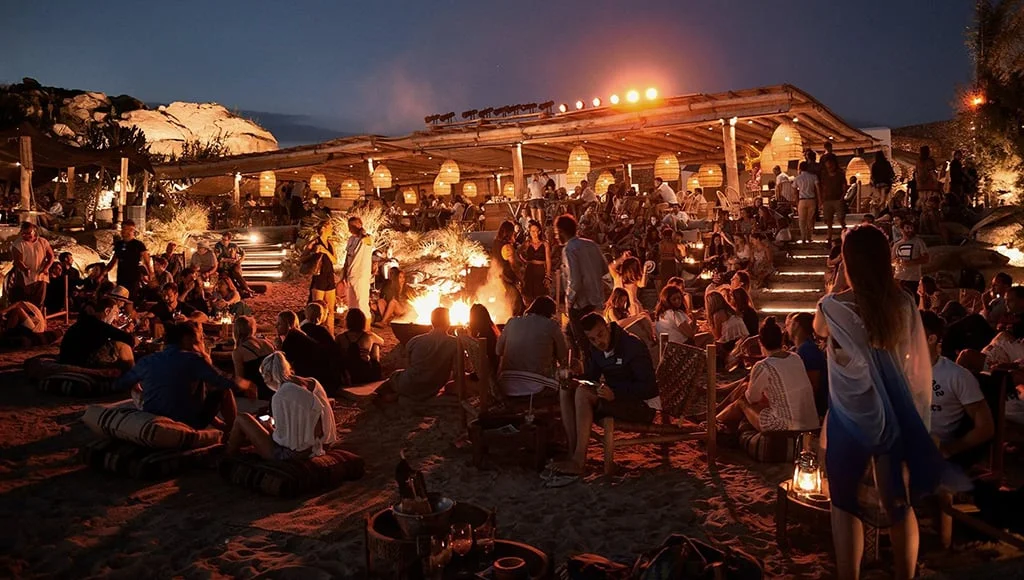
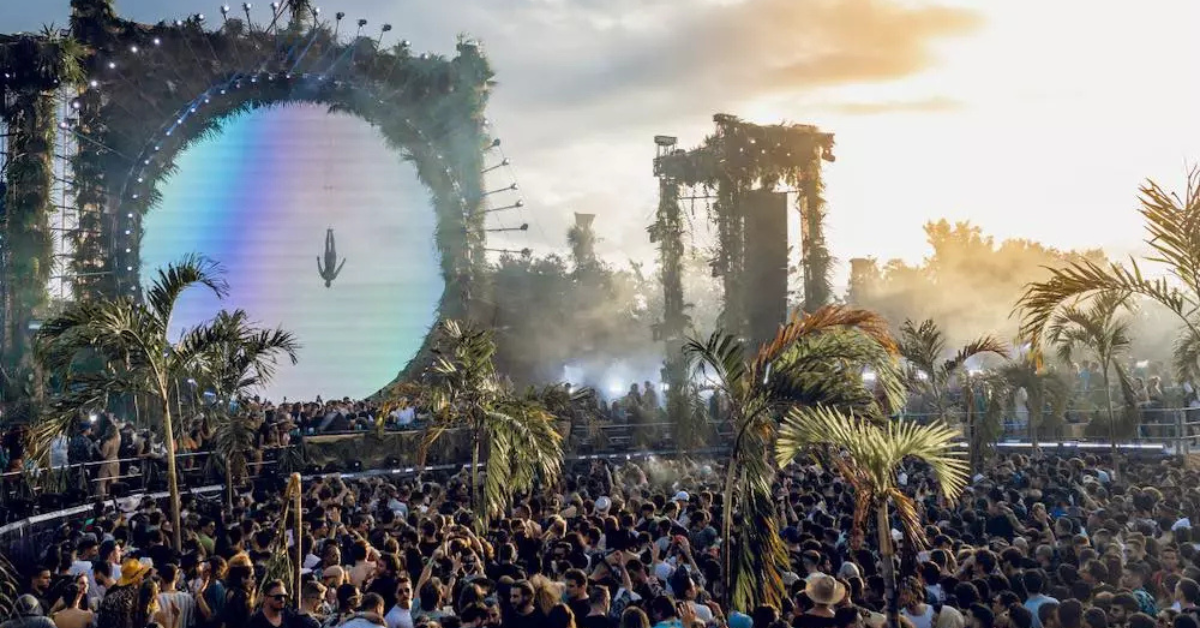
Beach clubs that once exuded exclusivity now feel formulaic. Hotels that once prided themselves on discretion have become mere Instagram sets. Destinations that once demanded insider connections now function at the mercy of algorithms and booking platforms.
What was rare became visible.
What was visible became common.
And what became common, inevitably, lost its meaning.
The ultra-wealthy did not issue a press release heralding their departure from this paradigm. They simply disengaged.
They still travel. In fact, they travel more than ever.
But their journeys, once public pageantry, are now undertaken in utmost privacy.
#When success creates a new problem
At a certain echelon of success, the traditional trappings of reward cease to satisfy.
Money solves logistics.
Status opens doors.
Access becomes infinite.
What remains unsolved is internal.
Decision fatigue.
Constant exposure.
The psychological toll of perpetual accessibility, recognizability, and relevance.
For people who live at the top of their industries, life becomes an uninterrupted sequence of inputs. Messages. Meetings. Markets. Obligations. Noise.
Travel, once the great release valve,
has become yet another stage upon which to perform.
The same patterns pursued them across borders—the same faces, conversations, and expectations—rendering rest an endangered species.
In time, even rest itself required safeguarding.
#Silence as a strategic choice
Silence, in this context, is not the absence of activity.
It is the absence of demand.
For the ultra-high-net-worth, silence has become a deliberate strategy—not for lack of means to indulge, but due to the mounting cost of constant stimulation.
Silence allows the nervous system to reset.
It allows thought to stretch without interruption.
It allows identity to exist without external validation.
This is not wellness as packaged by the commercial machine.
It is a matter of self-preservation.
And it is precisely why, in 2026, the most coveted experiences are neither marketed nor searchable, and certainly not scalable.
#The rise of places you cannot Google
Today, the most valuable experiences leave no digital footprint.
No websites.
No public photos.
No booking links.
Access is conferred through trusted networks, not digital platforms.
Think: villas unlisted on rental portals, retreats with no public calendar, experiences that whisper rather than announce.
This is not manufactured scarcity—it is purposeful discretion.
When privacy is the product, visibility is the liability.
#Why privacy replaced status
Status was once an external exhibition.
Now, it is an internal state—quiet, assured, and unadvertised.
The old symbols of wealth worked because they were difficult to reach. Once they became easy to access, they stopped signaling anything meaningful.
In today’s world, true status is the ability to disappear without explanation or trace.
To be unreachable for a week.
To not be photographed.
To not be marketed to.
To not be asked for anything.
The most powerful signal is not presence,
but absence.
#The Evolution: From Destinations to Environments
The wealthy are no longer accumulating destinations for bragging rights.
They are curating environments—thoughtfully and selectively.
An environment is not defined by latitude or longitude.
It is defined by what it removes from one’s life.
Noise.
Timelines.
Obligations.
Expectations.
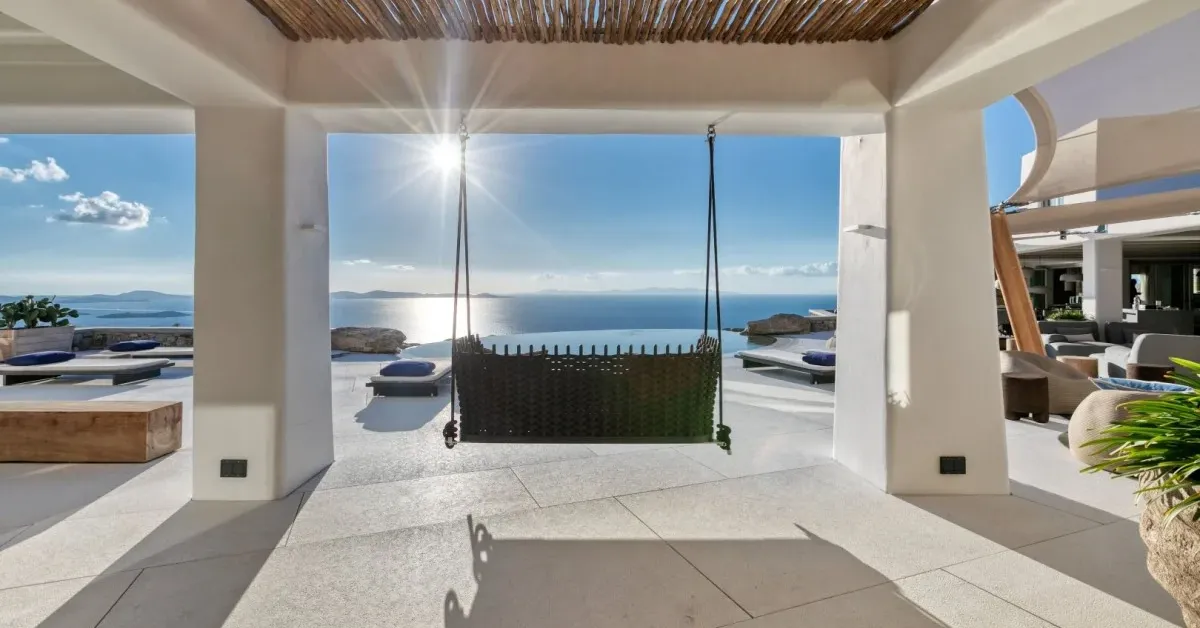
A villa’s value is no longer measured by its square footage, but by its remoteness.
A retreat’s allure is found not in its programming, but in its restraint.
The most refined experiences of today are curated not by what occurs, but by what is purposefully omitted.
No rigid itineraries.
No contrived interactions.
No performative rituals—only space, time, and discretion.
Simply, space.
#Why 2026 is the inflection point
Several powerful forces converge at the start of 2026.
Technology saturation reaches a collective psychological apex.
Public luxury becomes indistinguishable from mass aspiration—a spectacle for the many, not the few.
Security, discretion, and mental bandwidth supplant novelty as the true priorities.
At the same time, global mobility has normalized again. Borders are open. Destinations are crowded. Everyone is everywhere.
For the ultra-wealthy traveler, this is the paradox: access without meaning.
The response is withdrawal—not from the world, but from its omnipresent noise.
Hence, invitation-only retreats, private villas, and discreet experiences will script the next chapter in luxury travel.
Not as fleeting trends, but as necessities.
#Why this matters to the luxury industry
This evolution reveals a hard truth for the luxury sector.
Most luxury brands were engineered for visibility.
Most concierge firms are optimized for volume.
Most experiences are designed to scale.
But silence does not scale.
Privacy cannot be mass-produced.
Trust, least of all, can be scaled.
The brands that endure the coming decade will not be the loudest.
They will be the most discreet—the masters of curation, not amplification.
They will recognize that their greatest value lies not in access but in filtering; not in availability but in curation; not in reach but in restraint.
#The new definition of luxury
Luxury is no longer defined by omnipresence.
It is about the discernment of where not to be.
It is no longer about having or doing more.
It is about needing—and desiring—less.
It is no longer about signaling success.
It is about safeguarding clarity.
The world’s wealthiest are not simply booking holidays anymore.
They are acquiring silence.
And in 2026, silence will be the ultimate luxury—rarer, and more coveted, than ever before.