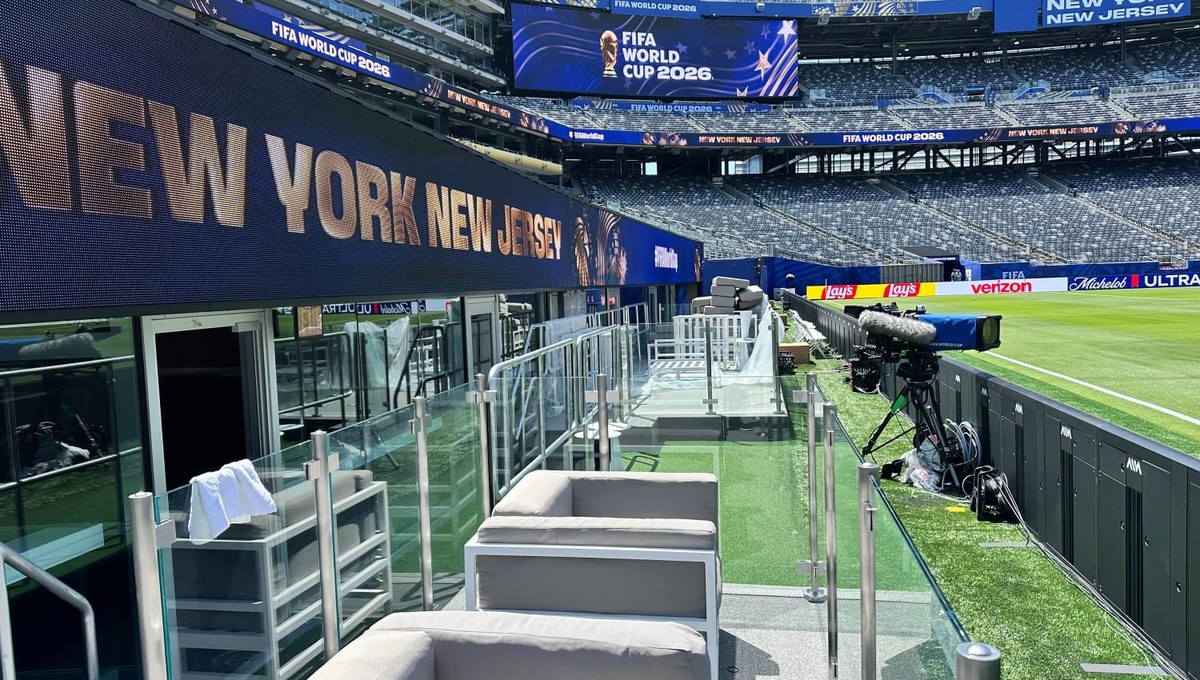

The FIFA World Cup 2026 will be the largest edition in history, hosted across the United States, Canada, and Mexico. Miami is one of the confirmed host cities and will stage high-demand matches at Hard Rock Stadium.
For high-net-worth travelers, the event is not simply about attending a match. It is about positioning, access, privacy, and operational precision in a city that will experience extreme demand pressure.
This article outlines the strategic framework required to experience World Cup 2026 in Miami at the highest level.
1. Market Fundamentals: Why Miami Will Experience Inventory Compression
Miami already operates as one of the most active luxury travel markets in the United States. It is:
A year-round international tourism hub
A primary gateway for Latin American visitors
A private aviation hotspot
A global destination for luxury real estate and events
During previous mega-events in U.S. cities (Super Bowl, Formula 1 Miami Grand Prix), luxury hotel occupancy has approached full capacity with significant ADR (Average Daily Rate) increases. For World Cup 2026, similar or greater compression should be expected due to:
International multi-week visitation patterns
Corporate hospitality demand
Athlete, sponsor, and federation allocations
Government security presence
Conclusion: Waiting to secure accommodation is financially and operationally inefficient.
2. Accommodation Strategy: Villas vs Hotels
Private Villas (Recommended for High-Profile or Corporate Hosts)
Prime areas include:
Star Island
Palm Island
Venetian Islands
Coconut Grove waterfront estates
Coral Gables gated properties
Advantages:
Full privacy and security control
Flexible hosting capacity
Yacht docking potential
Controlled staff access
Reduced public exposure
Luxury waterfront estates in Miami are limited in number. During large global events, the most suitable properties are often reserved via private networks before public listing.
Recommendation: Secure properties 12–18 months in advance.
Luxury Hotels (Best for Structured Hospitality)
Top-tier properties in South Beach and Brickell offer:
Internal security protocols
Dedicated VIP entrances
On-site hospitality infrastructure
Event coordination teams
However, hotels introduce:
Higher visibility
Public lobby exposure
Restricted private entertaining
Recommendation: Hotels are appropriate for individuals prioritizing brand prestige and internal hospitality systems over complete privacy.
3. Stadium Logistics: Hard Rock Stadium Operational Realities
Hard Rock Stadium is located in Miami Gardens, north of central Miami and South Beach. Traffic congestion during NFL events already creates delays of 60–90 minutes pre- and post-game.
World Cup 2026 conditions will include:
International security layering
Controlled traffic corridors
Enhanced law enforcement presence
Temporary route restrictions
Media zone congestion
A basic car service is not sufficient for optimal match-day logistics.
Recommended approach:
Dedicated chauffeur with event credential awareness
Pre-mapped alternate routes
Controlled departure timing
Secure drop-off access
Managed exit window to avoid peak congestion
This reduces exposure to gridlock and post-match delays.
4. Hospitality and VIP Seating Strategy
World Cup hospitality operates through tiered packages, often controlled by:
FIFA
Official sponsors
Corporate allocation partners
Access considerations:
Suite-level seating
Premium club access
Private lounge hospitality
Controlled entry corridors
Dedicated service personnel
High-demand matches (quarterfinals, semifinals, major national teams) will experience extreme demand.
Recommendation: Secure hospitality packages immediately once availability opens.
5. Secure Ground Transportation
Transportation during global events in Miami requires coordination across:
Luxury fleet providers
Security teams
Event traffic control measures
Options include:
Armored SUV transfers (for high-profile guests)
Executive Sprinter configurations
Coordinated convoy movement for corporate groups
Operational priority:
Reliability over aesthetics.
6. Private Aviation and Yacht Positioning
Miami is a major private aviation hub, primarily operating through:
Miami International private terminals
Opa-locka Executive Airport
During peak events:
Landing slots compress
FBO (Fixed Base Operator) congestion increases
Ground handling delays occur
Similarly, marina berth space for yachts during major events becomes highly limited.
Recommendation: Secure:
Aviation slots early
Yacht berths 6–12 months prior
Crew and provisioning logistics in advance
7. The After-Party Ecosystem
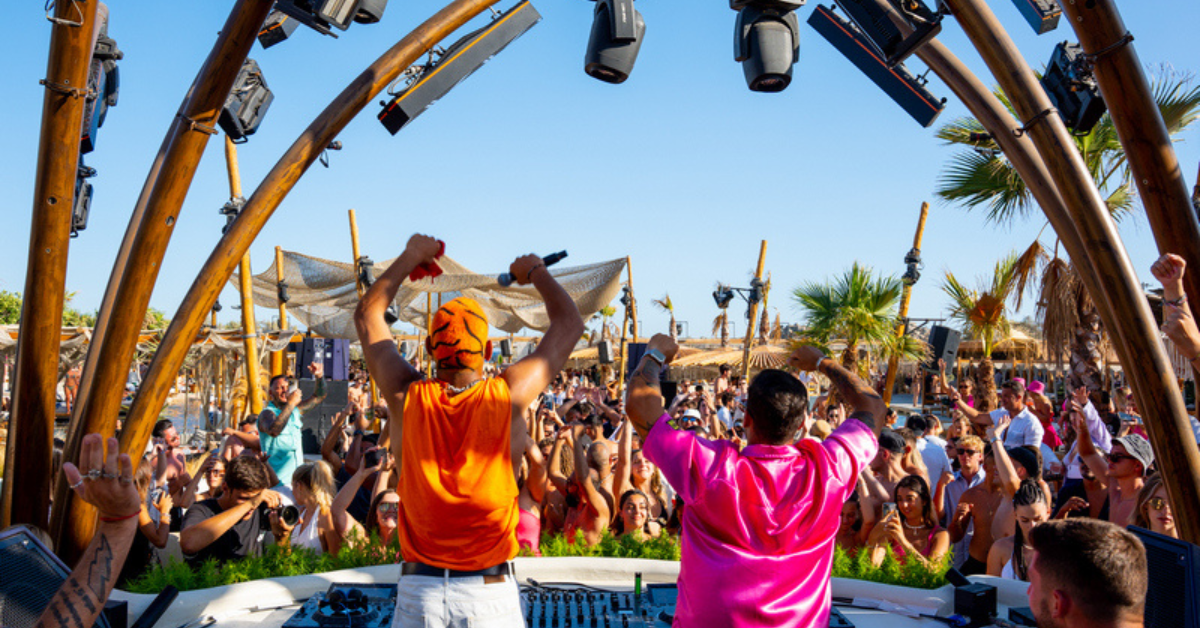
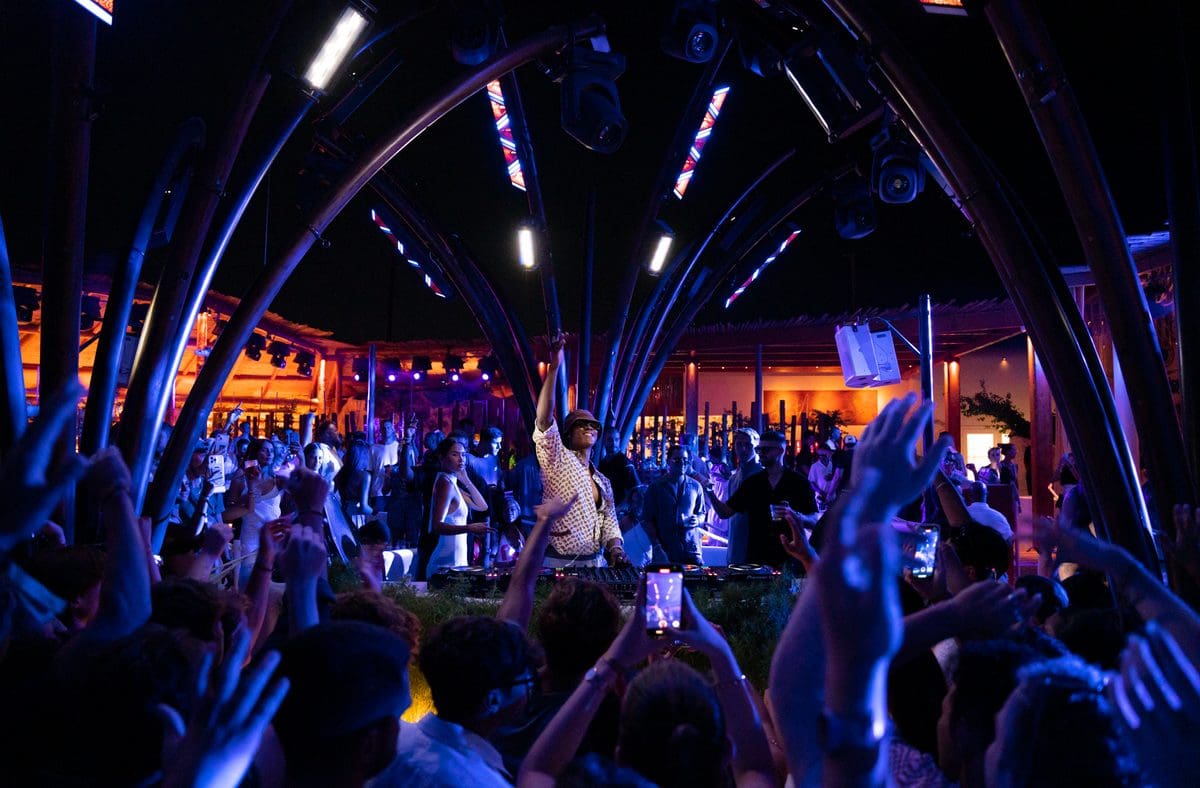
Major global sporting events generate parallel nightlife and brand-hosted environments.
Expect:
Sponsor-hosted private receptions
Athlete and federation gatherings
Invitation-only rooftop events
Waterfront estate activations
Luxury brand experiences
These events are rarely publicly marketed.
Access requires:
Brand relationships
Hospitality network alignment
Strategic positioning within the event ecosystem
This is often the true differentiator between attending and participating.
8. Corporate Hosting Opportunities
World Cup 2026 presents a significant corporate leverage opportunity.
High-value hosting scenarios include:
Private villa pre-match dinners
Curated chef-led experiences
Controlled transport to stadium
Private post-match gatherings
Global sporting events create emotional alignment. Emotional alignment accelerates relationship development.
Executives should view this as:
Strategic capital deployment.
9. Timeline for Execution
12–18 Months Prior:
Secure villa or flagship hotel
Identify target match dates
9–12 Months Prior:
Lock hospitality packages
Confirm aviation strategy
Reserve yacht berths if applicable
6 Months Prior:
Finalize transport contracts
Establish event access pipeline
Coordinate security personnel
90 Days Prior:
Confirm final logistics
Review contingency plans
10. Core Principles for 2026
Scarcity favors early actors.
Visibility increases operational complexity.
Logistics determine experience quality.
Relationships unlock secondary ecosystems.
The event is temporary; positioning is strategic.
Conclusion
World Cup 2026 in Miami will be a convergence of global capital, sport, and media attention. The difference between a standard attendance experience and an elite-level experience will depend entirely on preparation, access, and logistical precision.
Securing the best villa, the most appropriate hotel, secure transfers, and invitation-only after-parties is not reactive planning.
It is structured execution.
For those approaching the event with strategic intent, early positioning is essential. Contact Cloud 9 Concierge to secure your tailored World Cup 2026 experience without a flaw.